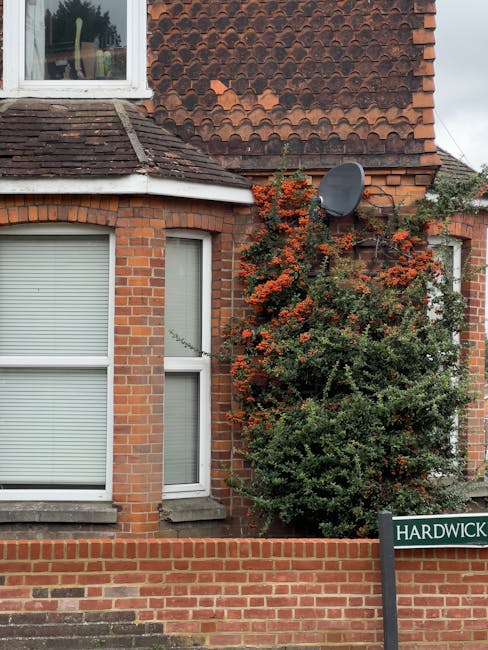
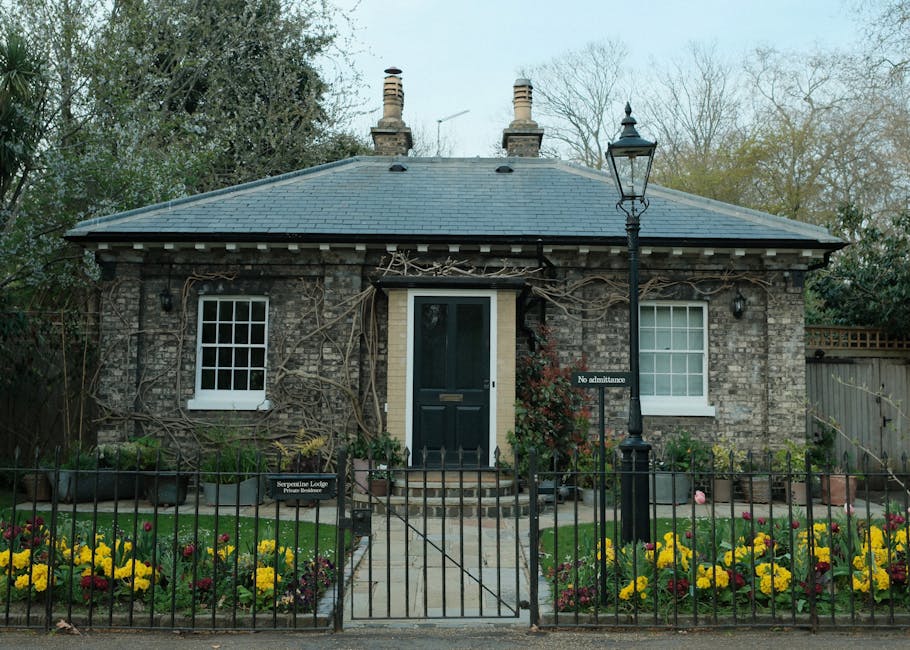
Fairlop station front garden makeover guide for Hainault gardeners
If your front garden near Fairlop station has started to feel tired, overgrown, or just a bit forgotten, you are not alone. Many Hainault homeowners want a front space that looks neat from the pavement, works well through the seasons, and does not create extra hassle every weekend. This Fairlop station front garden makeover guide for Hainault gardeners walks you through the decisions that matter most: layout, planting, tidy edges, low-maintenance choices, and the practical realities of keeping everything looking smart in an east London setting.
There is something oddly satisfying about a front garden that looks cared for before you even reach the front door. It frames the house, softens hard lines, and, truth be told, can change how the whole property feels. Whether you are refreshing a small strip beside a path or reworking a wider frontage, the aim is the same: make it attractive, manageable, and suited to local conditions rather than chasing a glossy idea that is never going to survive a damp February.
This guide is written for Hainault gardeners who want real-world guidance, not vague inspiration. You will find a step-by-step approach, a practical comparison of makeover options, common mistakes to avoid, and a checklist you can actually use. If you are planning to bring in help for hedge shaping, clearance, or a wider outdoor tidy-up, it can also be useful to look at the range of local gardening services and the company's pricing and quotes information before you start.
Table of Contents
- Why the makeover matters
- How the makeover works
- Key benefits and practical advantages
- Who this is for and when it makes sense
- Step-by-step guidance
- Expert tips for better results
- Common mistakes to avoid
- Tools, resources and recommendations
- Law, compliance, standards, and best practice
- Options, methods, or comparison table
- Case study or real-world example
- Practical checklist
- Conclusion
- Frequently asked questions
Why Fairlop station front garden makeover guide for Hainault gardeners Matters
Front gardens do more than look nice. In places like Fairlop and Hainault, they often sit right at the line between private space and public view, which means they carry a bit of visual responsibility. A front garden makeover can improve kerb appeal, make access easier, and reduce the constant low-level stress of looking at a patch that always seems half-finished.
There is also a local practical angle. Front gardens in this part of London tend to deal with a mix of compact soil, paving-heavy plots, passing foot traffic, and the usual weather swing from wet to dry and back again. A design that works in theory but struggles in reality will quickly become annoying. You want something that looks good in daylight, still feels tidy on a grey afternoon, and does not turn into a weekend chore.
For Hainault gardeners, the real value of a makeover is balance. You may want some greenery, but not a jungle. A flower border is lovely, but only if it does not block the path or become a slug buffet. A gravel feature can feel modern, but only if it is edged properly and not constantly scattering across the pavement. The best front gardens are usually the ones that make sensible compromises.
Expert takeaway: the right front garden makeover is not about making the most dramatic change. It is about choosing the smallest set of changes that creates the biggest improvement in how the space looks, moves, and feels.
How Fairlop station front garden makeover guide for Hainault gardeners Works
A successful front garden makeover usually follows a simple sequence: assess the space, decide what should stay, remove what gets in the way, then rebuild the structure before adding planting and finishing details. Sounds straightforward. In practice, the order matters a lot, because people often start with plants and forget the hard landscaping underneath.
Think of it as three layers. First comes the function layer: paths, access, bins, parking, visibility, and drainage. Next comes the structure layer: beds, borders, edging, hedge lines, and low walls or planters if needed. Then comes the style layer: plant colour, texture, seasonal interest, and small finishing touches like mulch or decorative gravel.
In a Fairlop or Hainault front garden, the makeover may be a light tidy-up or a more involved redesign. A lighter version might include hedge trimming, shaping, weed removal, replacing tired mulch, and refreshing the planting. A deeper version could involve reworking the layout, reducing unnecessary lawn, creating clear stepping paths, and choosing lower-maintenance shrubs.
If you are bringing in help, it is worth checking the company background as well as the garden plan. Pages such as about the team, insurance and safety, and the health and safety policy help set expectations before any work begins. Not glamorous, no, but very sensible.
Key Benefits and Practical Advantages
A front garden makeover delivers more than a prettier view. The best outcomes are often the practical ones, the ones you notice after a few weeks rather than on day one. You stop treading around awkward corners. You spend less time weeding. The front of the house feels calmer. Small things, but they add up.
- Better kerb appeal: A tidy, balanced frontage makes a property look cared for without needing constant upkeep.
- Lower maintenance: Smarter planting and cleaner edges usually mean less repeat work.
- Improved access: Clear paths, sensible borders, and sensible planting keep movement easy.
- Seasonal interest: A good mix of evergreen structure and flowering plants keeps the garden from looking bare in winter.
- Stronger first impression: Visitors, neighbours, and potential buyers all notice the front garden first.
There is also an emotional benefit, which people sometimes underestimate. A front garden that looks under control can make the whole home feel lighter. You come back on a damp evening, unlock the door, and the place greets you properly. Sounds simple because it is.
For some households, the payoff is practical because they need low-effort upkeep. For others, it is about making the property feel more personal and welcoming. Neither is wrong. In fact, the best makeovers often combine both.
Who This Is For and When It Makes Sense
This kind of makeover suits a few different situations. You may have just moved in and want the front garden to stop looking like a to-do list. You may have lived there for years and gradually let the space drift. Or you might simply have a front plot that never quite worked and needs a rethink from the ground up.
It is especially useful if your garden has one or more of these issues:
- overgrown hedges or shrubs blocking light, windows, or the path
- patchy lawn that is difficult to keep healthy
- too much bare soil, which quickly turns weedy and untidy
- poorly defined borders that make the whole space feel messy
- plants that look good for two weeks and then collapse into chaos
- a layout that feels cramped, awkward, or visually unbalanced
It also makes sense if you are preparing to sell, rent, or simply want the property to feel more finished. You do not need a huge budget to improve the first impression. Honestly, some of the best results come from editing what is already there rather than adding more.
For homeowners who prefer professional help, a quick look at service options and the contact page can help you decide whether to book a one-off refresh or a fuller makeover plan.
Step-by-Step Guidance
Here is a practical way to tackle the project without getting lost halfway through. If you try to do everything at once, you will probably end up with bags of cuttings, half-finished borders, and a slightly pained expression. Better to work methodically.
- Walk the garden properly. Look at it from the street, from the front door, and from each side. Notice where the eye goes first. Is there a scruffy hedge? A tired patch of lawn? A cluttered corner?
- Decide the job type. Is this a light refresh, a tidy redesign, or a full structural change? Be honest. A lot depends on how much time, budget, and upkeep you can live with.
- Clear the clutter. Remove dead plants, broken pots, weeds, and anything that no longer earns its place. This often reveals that the garden is better than you remembered. Funny how that works.
- Sort the shape first. Trim hedges, redefine borders, and set clean lines. Structure before decoration, every time.
- Improve the ground. Add compost where needed, refresh mulch, level uneven spots, and check drainage. Front gardens feel much better when the base layer is healthy.
- Choose planting with restraint. Mix evergreen structure with a few seasonal plants. Repeat colours or shapes so the design feels intentional, not random.
- Finish with edge details. Clean path edges, add matching pots if they genuinely suit the space, and remove visual noise.
A useful rule of thumb is to build from the boundaries inward. When the edges are tidy and the framework is clear, even modest planting looks stronger. When the edges are messy, even expensive plants can look a bit lost.
If the job involves hedge reduction or awkward access, keep safety and disposal in mind. It helps to review the company's recycling and sustainability approach, especially if you are clearing a lot of green waste.
Expert Tips for Better Results
Small choices make a disproportionate difference in front gardens. That is the bit people only really notice once they have done a few. Here are the details that usually separate an okay result from one that feels genuinely polished.
- Repeat materials. If you use gravel, use it consistently. If you use brick edging, echo that in the path or planters where possible.
- Keep the palette tight. Too many flower colours can make a small front garden look noisy. Two or three main tones usually work better.
- Use evergreen structure. Especially near Fairlop and Hainault, winter presence matters. A garden that looks empty for four months loses momentum fast.
- Mind sightlines. Keep planting lower near entrances and corners where visibility matters. It feels more open and safer too.
- Think in layers. Tall, medium, low. Repeating layers gives depth without clutter.
- Leave a little breathing room. Plants need space to grow. Crowding them on day one often leads to regret by month six.
One often-missed detail is the view from the pavement at dusk. In the evening, textures blur and contrast matters more than delicate flowers. So if you want the garden to look good at all times, focus on shape, outline, and healthy foliage first. Flowers are the accent, not the backbone.
And a slightly nerdy but useful point: if you have a small frontage, boring is sometimes better than busy. Not every garden needs a dramatic idea. Some just need to be calm, neat, and quietly confident. That is a win.
Common Mistakes to Avoid
Most front garden problems come from enthusiasm outrunning planning. Happens all the time. The good news is that the mistakes are usually easy to avoid once you know what to watch for.
- Overplanting: Too many plants lead to congestion, weak airflow, and constant trimming.
- Ignoring maintenance: A design that needs weekly attention but only gets monthly attention will not age well.
- Forgetting drainage: A garden that puddles after rain will struggle, especially in compact urban soil.
- Choosing style over fit: A design trend that ignores the shape of your house or plot can feel awkward very quickly.
- Leaving hard edges unfinished: Crumbling borders, ragged edging, and loose soil spoil the whole impression.
- Using plants that outgrow the space: Fast-growing shrubs can become a headache if they are planted without a plan.
There is also a common timing mistake: people do all the planting first and then realise they need to move a path, widen access, or trim a hedge. If that sounds familiar, you are not alone. Better to sort the structure first and save the shopping for later.
Another simple one: do not make the front garden hard to walk through. Even beautiful planting feels wrong if you have to twist sideways to reach the door. Small annoyance, big effect.
Tools, Resources and Recommendations
You do not need a shed full of specialist kit to improve a front garden, but the basics matter. A clean cut and a tidy finish are hard to fake, which is why the right tools pay for themselves quickly.
| Task | Useful tools | Why they help |
|---|---|---|
| Hedge shaping | Hedge trimmer, hand shears, rake | Creates a crisp outline and clears loose cuttings |
| Weed control | Hand fork, hoe, mulch | Helps stop regrowth and keeps borders neat |
| Border refresh | Spade, edging tool, compost | Improves shape and soil condition |
| Planting | Trowel, watering can, gloves | Makes planting cleaner and less damaging to roots |
| Clearance | Green bags, secateurs, wheelbarrow | Speeds up removal and keeps the site tidy |
If you are hiring help, ask what is included: cutting, shaping, waste removal, disposal, and follow-up tidy-up can vary quite a bit. It is worth being clear from the start. The company's insurance and safety and terms and conditions pages are also worth a quick look so there are no awkward surprises later.
For anyone who wants to keep the project tidy and responsible, the recycling and sustainability page gives a useful sense of how green waste may be handled. Not the most exciting part of gardening, perhaps, but it matters.
Law, Compliance, Standards, or Best Practice
Front garden work is usually straightforward, but there are still sensible standards to follow. If your garden borders a public pavement, road edge, or shared access, you need to think about overhanging growth, visibility, trip hazards, and keeping the frontage safe while work is taking place.
In practical terms, best practice means this:
- do not allow hedges or branches to obstruct the pavement or entrance
- keep paths level, clear, and free from loose debris during and after work
- handle tools safely and keep children and pets away from active work areas
- dispose of green waste responsibly rather than dumping it loosely
- make sure any contractor you use is transparent about safety procedures and public liability cover where relevant
If the makeover involves significant clearing, cutting back, or access near the public edge, it is sensible to prioritise a company that is clear about safety and responsibility. The pages on health and safety and insurance and safety help show that those basics are being taken seriously.
There may also be local considerations about waste, neighbour boundaries, or front boundary structures. Because those details can vary by situation, it is better to check anything uncertain before work starts. A quick pause now can save a messy conversation later. Nobody wants that.
Options, Methods, or Comparison Table
There is no single right way to refresh a front garden. The best method depends on how much time you have, how much change you want, and whether the space needs to be low-maintenance, decorative, or both. Here is a simple comparison to help you choose.
| Approach | Best for | Pros | Watch-outs |
|---|---|---|---|
| Light tidy-up | Tired but basically sound gardens | Quick, affordable, neatens the frontage fast | Does not solve deeper layout issues |
| Low-maintenance redesign | Busy households and smaller plots | Less upkeep, clearer structure, more consistent look | Needs careful plant selection to avoid looking sparse |
| Full makeover | Problem gardens or complete style refreshes | Best chance to fix flow, balance, and long-term practicality | Costs more and needs clearer planning |
If you are unsure which route suits your property, start with the front-of-house priorities first. Ask yourself: what annoys me most about the space, and what would make it easier to live with? That answer usually points you in the right direction.
Case Study or Real-World Example
Here is a realistic example based on the kind of front garden many Hainault homeowners face. A small semi-detached frontage near Fairlop had an overgrown hedge, a patch of tired lawn, and two borders full of mixed shrubs that had grown into each other. From the street, the house looked darker than it should have done. The garden was not hopeless. Just confused.
The makeover started with a clear-out. Dead growth went first, then the hedge was shaped back to reveal the front window and path. The lawn area was reduced because it was too small to justify the maintenance. In its place came a simple planted border with a couple of evergreen shrubs, a low seasonal layer, and fresh mulch to tidy the finish.
The biggest change was not dramatic colour. It was order. The entrance felt wider, the path felt safer, and the whole frontage breathed a bit more. By the second week, the homeowners said the house looked like itself again. That is the sort of result that matters.
It also meant less ongoing work. Fewer awkward corners. Less trimming. Less crouching in the wet on a Sunday morning wondering why the border had become a small forest. We have all been there.
Practical Checklist
Use this checklist before, during, or after your front garden makeover. It is simple, but simple is good.
- View the garden from the road and front door
- Identify the main problem area: hedge, border, path, lawn, or clutter
- Decide whether you want a tidy-up, redesign, or full makeover
- Remove dead plants, weeds, and broken items
- Trim hedges and define edges before planting
- Check drainage and ground level
- Choose plants that suit the light, space, and maintenance level
- Keep sightlines open near the entrance
- Use mulch or edging to finish the look
- Plan how green waste will be removed or recycled
- Review contractor safety, insurance, and quote details if hiring help
If you want a smoother process, it may help to compare service details with your budget early on. The pricing and quotes page can be a sensible next stop when you are figuring out whether to tackle the work yourself or bring in support.
Conclusion
A front garden makeover near Fairlop station does not need to be fancy to be effective. In fact, the strongest results usually come from clear structure, sensible planting, and a layout that suits everyday life rather than magazine dreams. For Hainault gardeners, the sweet spot is a frontage that looks neat from the street, feels easy to live with, and holds up through the seasons without constant rescuing.
Start with the basics. Shape the edges. Remove what no longer works. Build a garden that looks intentional. And if you are unsure where to begin, take one honest look at the space and ask yourself what would make it easier to live with this time next month. That question does a lot of the heavy lifting.
Get a free quote today and see how much you can save.
For further details about the company behind this guide, you can also explore about us, contact us, and the trust pages that explain policies and standards in more detail, including privacy policy and complaints procedure.
Frequently Asked Questions
What is a front garden makeover, in simple terms?
It is the process of improving the front garden so it looks better, works better, and is easier to maintain. That may include trimming, clearing, re-edging, planting, mulching, or redesigning parts of the layout.
How much change does a front garden makeover usually need?
Not always much. Some gardens only need clearing and shaping, while others benefit from a full redesign. The right amount depends on the current condition of the space and how much upkeep you want afterwards.
Can a small front garden still make a big visual difference?
Yes, absolutely. Small spaces often respond well to clean edges, a simple planting palette, and a clear path. In a small garden, a little restraint goes a long way.
What plants work best for a low-maintenance front garden?
Evergreen shrubs, hardy perennials, and structured plants that do not need constant fuss are usually a better fit than high-maintenance, short-lived displays. The best choice depends on light and soil, though.
Should I keep a lawn in my front garden?
Only if it genuinely suits the space and you are happy maintaining it. In many small front gardens, lawn can be more trouble than it is worth, and replacing some of it with borders or paving can make the area easier to manage.
How often should a front garden be trimmed or refreshed?
That depends on growth rate, season, and the plants involved. Hedges and vigorous shrubs may need regular attention, while a more restrained planting scheme may only need occasional tidying and seasonal checks.
What should I check before hiring someone to do the work?
Look at service scope, safety practices, insurance, quote clarity, waste handling, and terms. It is also sensible to review company pages such as services overview and insurance and safety before agreeing to anything.
Is a front garden makeover worth it if I am planning to sell later?
Usually, yes. A neat, balanced frontage can improve first impressions and help a property feel more cared for. It does not need to be expensive to be effective.
What are the biggest mistakes people make with front garden design?
Overplanting, poor edging, ignoring drainage, and choosing plants that outgrow the space are the big ones. Another common issue is building a design that looks nice for a month but becomes difficult to maintain.
Do I need to worry about safety and access during the makeover?
Yes. Keep paths clear, remove loose debris, and make sure work near entrances or pavements is handled carefully. Safety matters, especially where the public can pass by.
How do I decide between a tidy-up and a full makeover?
Start by asking what actually bothers you. If the structure is sound and only the surface looks scruffy, a tidy-up may be enough. If the layout itself feels awkward, a full makeover is usually the better long-term choice.
Where can I learn more about the company's policies and service details?
You can read more on pages such as recycling and sustainability, payment and security, accessibility statement, and terms and conditions.