Recycling and Sustainability — Hedge Trimming Hainault
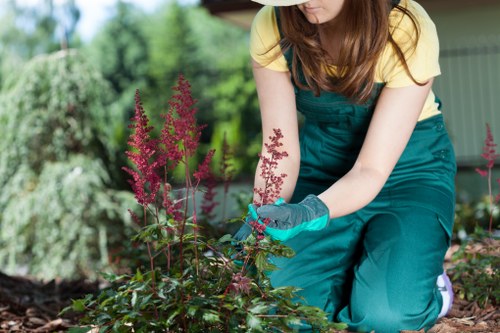 At Hedge Trimming Hainault we treat sustainability as a core service promise. Our approach to hedge care in Hainault and surrounding boroughs blends practical garden clearance with a clear, measurable environmental mission: to reduce waste, boost reuse, and return organic matter to the local green cycle. This page explains how our Hainault hedge trimming service minimises landfill use, supports local recycling infrastructure, and invests in low-carbon operations across every job.
We set an ambitious recycling percentage target for green waste and mixed garden materials. Our immediate goal is to divert 80% of all garden refuse from landfill within the next 36 months, moving toward a long-term target of 90% for woody and vegetative materials. To achieve this we combine on-site sorting, partner transfer stations, and reuse channels, and we constantly monitor outcomes so the Hainault hedge trimming process becomes progressively more circular and efficient.
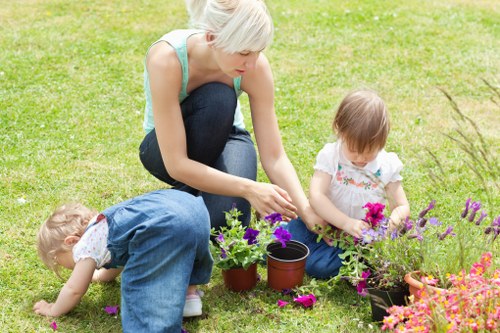 Many residents will recognise the practical side of this work: trimming hedges, pruning shrubs, and collecting cuttings during seasonal maintenance. We follow the boroughs' approach to waste separation — separating green waste into garden/food bins and recycling streams where appropriate. Where the local Redbridge and neighbouring collection systems accept separated green bins and mixed recycling, we coordinate with those schedules to ensure material enters the correct municipal stream rather than being treated as general rubbish.
We use local transfer stations and civic handling facilities as part of our waste chain. By routing lopped branches and hedge cuttings through nearby transfer stations — including borough-operated transfer facilities in Redbridge and East London transfer hubs — we shorten haul distances and speed material processing. That reduces fuel consumption and helps local councils meet their separation targets for organics and bulk garden waste.
Our sustainable gardening and rubbish disposal partnerships include collaboration with charities and community groups. We donate suitable larger branches and whole, healthy cuttings to community allotments, wildlife gardening schemes and social projects where hedging material can be reused for habitat piles, brushwood fencing, or coaching sessions on sustainable pruning. Strong relationships with local organisations, such as community gardens and conservation volunteers, help ensure usable green outputs from Hainault hedge maintenance benefit local people and wildlife.
For materials that can’t be reused directly, we channel them to accredited composting and mulching contractors. Mulch produced from Hainault hedge trimmings returns to parks, school gardens and public green spaces, closing the loop between removal and renewal. This is part of our wider commitment to responsible garden waste recycling: not just collection, but productive reintegration into the local green economy.
 Low-carbon logistics are a visible part of our sustainability plan. Our fleet includes electric vans for smaller, local jobs and Euro-6 efficient vehicles for longer loads; we are also trialling fully electric 3.5-tonne vans for routine hedge maintenance routes. By prioritising EV-ready routes, battery charging at community hubs and route optimisation software, our Hainault hedge trimming teams reduce emissions and idling time, lowering the carbon footprint per job.
Operationally we practise careful material separation on site: woodier cuttings (branches and stems) are kept apart from mixed leafy waste and compostable green matter. This aligns with how local boroughs encourage residents to place materials in separate garden or food/green bins and separate recyclable containers for plastics and metals. Our crews follow those municipal protocols while also removing contaminants such as plastic netting, wire or non-organic debris before transport.
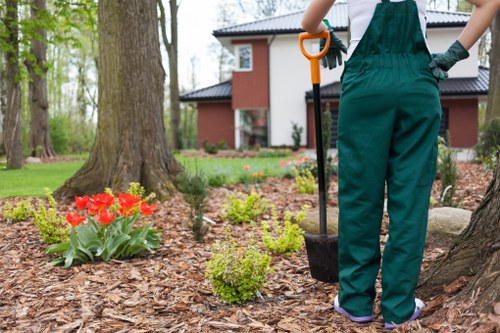 We maintain a transparent chain of custody for all waste streams. Every load has a record showing destination — reuse partner, municipal transfer station, or composting facility — and weight. This data helps us measure progress toward our recycling percentage target and supports borough reporting where required. It also helps the community see how hedge trimming in Hainault contributes to broader waste reduction goals.
 Community engagement and education form another element of our sustainable rubbish gardening approach. We run seasonal talks with local estates and volunteer groups about best practices for hedge care that support biodiversity, reduce excess waste, and encourage reuse. Simple steps—like cutting after bird-nesting windows, leaving habitat piles where appropriate, and choosing native species when replanting—make Hainault hedges greener and more resilient.
Practical Sustainability Measures
- On-site sorting: separate woody material, leafy matter and contaminants before transport.
- Local transfer use: short haul to borough transfer stations to reduce emissions.
- Charity partnerships: donate usable materials to community gardens and conservation groups.
- Low-carbon vehicles: electric vans and efficient diesel options for larger loads.
- Composting and mulching: return processed organics to public and community green spaces.
Why choose our Hainault hedge care and sustainable clearance?
We deliver professional hedge trimming Hainault residents can trust — balancing tidy gardens with environmental responsibility. Our systems, partnerships and sustainable fleet are designed to lower waste, boost local recycling activity and support circular reuse. By choosing a service that targets high recycling rates and works hand-in-hand with borough recycling schemes and local charities, you help make every cut count for the community and the climate.Hedge Trimming Hainault continues to refine its sustainability plan, and we welcome collaboration with civic groups and local transfer facilities to raise recycling performance and close resource loops across the boroughs we serve.