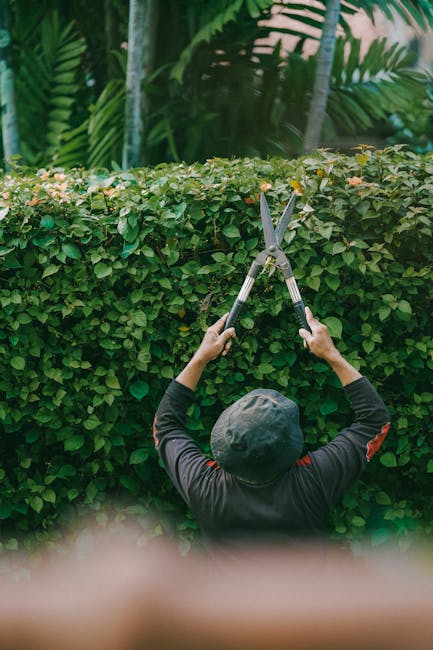
Hedge Trimming in Hainault for neat, healthy boundary growth

Hedge Trimming Hainault provides hedge trimming in Hainault with a clear focus on tidy, controlled growth and a clean finish along domestic and light commercial boundaries. The service suits front hedges, rear garden screens, formal shapes and mixed-height hedging that needs regular attention rather than heavy reconstruction. We work to the condition of the hedge in front of us, shaping it with care so the result looks intentional, balanced and suited to the plant type.
Good hedge work is not just about cutting the visible top. It involves reading the growth habit, checking where the hedge can be reduced safely and deciding how to keep the plant dense without stripping it back too hard. For many customers, the main goal is simply a smart outline with healthier regrowth and less spill into paths, drives or neighbouring property. If you are comparing options, our services overview gives a straightforward starting point.
We keep the service practical: shaping, height reduction where suitable, and routine maintenance that helps hedges stay presentable through the growing season. When a hedge has become untidy, leaning or uneven, careful trimming can restore definition without making the plant look harsh. For jobs where the hedge is part of a larger garden plan, our work can be aligned with wider outdoor upkeep rather than treated as a one-off cut that ignores the rest of the space.
Regular hedge maintenance
Regular hedge maintenance is usually the simplest way to keep growth manageable. Instead of allowing long shoots to thicken, a measured trim helps maintain the intended line and prevents the hedge from becoming top-heavy. This is especially useful for boundary hedges that need a neat face, because once the sides become too wide, the hedge can start to occupy more of the path, lawn or driveway than intended. A consistent approach also makes later cuts easier and more predictable.
Different hedges respond differently to timing and method, so maintenance has to respect the plant rather than rely on one repeated pattern. Fine, dense hedges benefit from a lighter touch that preserves their structure, while more vigorous varieties may need a slightly firmer reduction to stay within bounds. We aim to keep the work proportionate to the hedge’s condition, avoiding unnecessary strain on healthy growth while still delivering a visibly better outline.
Shaping, reduction and finish
For hedges that have outgrown their intended size, reduction work can bring them back into line while maintaining a natural profile. In practice, this means deciding how far to cut without leaving the hedge sparse or unbalanced. A good finish should look even from end to end, with the top aligned, the faces straight and the corners tidied where they need definition. If you are planning seasonal work, you can request a quotation once you know the hedge size and access.
Access, size and the work involved

Hedge trimming projects vary in scale, so the work needed can range from a quick tidy to a more involved cut-back with debris handling. Factors such as hedge height, thickness, length, access and whether both sides are available all influence the time and method involved. Tall hedges or those with awkward edges may require more careful positioning, while dense, mature growth often takes longer to bring into a clean, even line.
When assessing a hedge, it helps to think about the practical details as well as the appearance. A hedge beside a pavement may need a neat outer face and a safe working approach, while a rear boundary hedge might need attention on both sides to make the finished shape consistent. The aim is not just to shorten the growth, but to leave the hedge looking intentionally maintained rather than simply cut down. For related outdoor work, see garden maintenance.
Useful details to have ready usually include the hedge length, approximate height, whether it is single or double-sided, and whether clippings can be left for collection or need removal. If the hedge is mixed with shrubs, climbers or trees, that can also affect how the trimming is approached. Clear information helps shape a sensible scope, especially where the hedge has been left for more than one season and needs a more considered cut.
Boundary hedges, fronts and rear gardens
Many hedge trimming jobs are about boundary control. A front hedge that begins to blur into the pavement can make the whole property look less defined, while a rear hedge may start shading flowerbeds or narrowing the usable part of the garden. Trimming restores the line of the hedge and gives the garden back its shape. In practical terms, that can mean bringing the face back to a straight run, easing excess height, or correcting a section that has grown faster than the rest.
We also handle hedges that form part of a more varied garden layout, where the hedge needs to sit well beside fencing, paving, planting or lawn edges. A careful trim can help the hedge support the rest of the space rather than compete with it. Where the structure of the hedge allows, we work to keep the finished line consistent from end to end, so the whole boundary feels orderly rather than patched together. You can also explore landscaping if the hedge sits within a wider garden improvement plan.
In some cases, a hedge may not need a full reduction at all, only a tidy and selective cut to remove uneven shoots. That can be the better choice where the hedge is already close to the right height or where heavy cutting would leave gaps. Choosing the right approach matters: a light trim preserves density, while a more substantial reduction should be done with the plant’s shape and future growth in mind.
What a tidy hedge cut can achieve
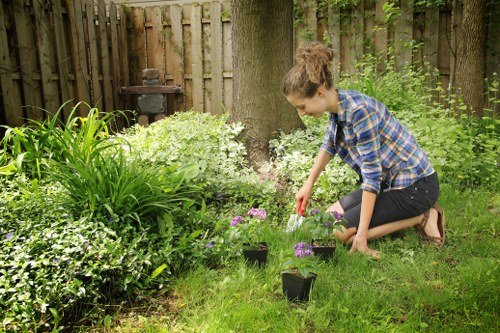
A well-trimmed hedge changes the feel of a property quickly because it restores lines that are easy to see. The result can be a cleaner edge along a path, a more open view across the garden and a stronger sense that the boundary is under control. For many customers, the most useful outcome is not dramatic transformation but reliable order: no stray growth, no uneven top and no sections that push out into the wrong place.
There are also practical reasons to keep hedges in shape. Overgrowth can interfere with access, reduce light where it is needed or make routine garden tasks more awkward. Trimming helps reduce those issues without removing the hedge itself, so the planting can still do its job as a screen or border. If the hedge is one part of a broader outdoor refresh, our landscape gardening page covers work that sits alongside trimming and general garden improvement.
For customers who like a more formal look, the hedge may need sharper lines and a more deliberate top. For others, the priority is a natural-looking boundary that simply does not sprawl. Both can be achieved through careful trimming, but the final choice depends on the species, the hedge’s current condition and how prominently it sits in the garden. A sensible cut should support the intended use of the space, not force the hedge into an unsuitable shape.
Preparing for a quotation
To prepare a quotation, it helps to share a few straightforward details about the hedge and the site. Photos can be useful when they show the full length of the hedge, the height relative to nearby features and any difficult access points. If the hedge runs along more than one boundary, make that clear so the scope is not underestimated. Where possible, note whether you want a light tidy, a regular maintenance cut or a more significant reduction.
It is also useful to mention whether cuttings need to be taken away, whether there is parking close to the work area and whether any nearby features need care, such as fencing, glass, planting or hard landscaping. Those details help shape a more accurate view of the job before anything is arranged. If you want to compare how this service sits alongside others, our hedge trimming page gives a dedicated service summary.
When a hedge needs more than a standard trim
Some hedges are straightforward, but others have become uneven, dense or partially damaged and may need a more considered approach. In those cases, the work can involve selective cutting, rebalancing height and carefully correcting the profile rather than simply taking off the outer layer. A quotation is best based on the real condition of the hedge, because a hedge that has been neglected for a while may require more time than a regularly maintained one.
Cutting back overgrown growth
Overgrown hedges often need more than cosmetic tidying. When growth has spread beyond the original line, a controlled cut-back may be needed to recover the boundary and bring the hedge back within a manageable width. This work has to be done carefully, because a hedge that is cut too hard can look thin or uneven. The aim is to improve the shape while preserving enough foliage for the hedge to recover well.
Where a hedge has put on long, unruly shoots, trimming can be combined with selective reduction to remove the worst offenders without disturbing the whole structure. That is especially useful for mixed hedges and older growth that has developed unevenly across the length. The finish should still look planned and coherent, not like different sections were treated as separate jobs. For broader outdoor clearance needs, there is also garden clearance.
Some hedges only need a seasonal reset, while others may need staged work over more than one visit if the growth is substantial. The right approach depends on the plant, the size of the hedge and how much of the structure can be removed without leaving gaps. In many cases, trimming and reduction are best viewed as part of long-term hedge care rather than a one-off correction.
Hedges as part of the wider garden

Hedges rarely stand alone. They sit beside lawns, borders, paving, fencing and sometimes decking, so a tidy hedge can change the way the rest of the garden reads. A clean boundary can make the whole plot feel better proportioned, especially where a hedge has started to spill into paths or shade nearby planting. Trimming can also help define separate zones within a garden, such as play space, seating space or quieter planted areas.
Where the hedge is part of a larger outdoor arrangement, the finish should suit the surrounding features rather than sit awkwardly against them. That may mean keeping a crisp straight run, easing the top to a level line or leaving a softer profile that matches the planting style. Our decking services page may be useful if you are coordinating hedge work with timber features, seating areas or access routes in the same garden.
Hedges can also work alongside lawns and general maintenance as part of a regular routine. A hedge that is trimmed before it starts to dominate the space often makes the rest of the garden easier to manage. That is one reason customers often prefer a repeat maintenance schedule: it keeps the work lighter, the appearance steadier and the boundary more predictable through the growing season.
How we approach hedge trimming
Our approach is straightforward: assess the hedge, choose the right level of cut and complete the work with attention to shape, cleanliness and balance. We do not treat every hedge the same, because species, age and previous cutting history all affect the outcome. A hedge that has been regularly maintained may only need a light tidy, while a hedge that has been left to run can need more careful rebalancing to restore a coherent profile.
In practical terms, that means keeping the finished line consistent, managing the top and sides together and avoiding obvious dips or over-cut patches. It also means thinking about how the hedge will look after it regrows, not only on the day it is cut. If you need supporting information about bookings, billing and site procedures, payment and security explains that side of the service in more detail.
For customers who are planning hedge work around other garden tasks, timing can matter. A hedge may be trimmed before lawn work, after bed tidying or as part of a broader seasonal refresh. The service is flexible enough to fit that kind of planning, provided the hedge itself is given the right level of attention. The best results come from combining a neat finish with an understanding of how the plant should continue to grow.
About Hainault
Hainault is an area in northeast London most closely associated with the London Borough of Redbridge, though the name also reaches across nearby boundaries through local transport and historic land use. Much of its character is shaped by the large tract of former royal hunting forest that once covered the district, and by later suburban development that transformed fields and woodland into streets, estates and local shopping parades. The area is often linked with Hainault Forest Country Park, a significant open space that preserves part of the woodland heritage and gives the district a strong green identity. The landscape here combines residential streets with pockets of mature trees, open grass and footpaths that reflect its older woodland setting. Public transport has also played a major role in the area’s development, particularly the Central line extension that made Hainault more directly connected to central London and neighbouring districts. Around the station and nearby roads, the built environment shows the typical layers of outer London growth: post-war housing, local services and later infill. The area is not known for a single historic core in the way that older towns are, but for a series of connected residential neighbourhoods and open spaces that together form a recognisable part of northeast London. Its mix of greenery, suburban streets and long-established local routes gives Hainault a distinct place within Redbridge and the wider capital.
Seasonal trimming and garden upkeep

Seasonal hedge trimming keeps growth in step with the rest of the garden. In spring and summer, hedges can quickly become broad, uneven and more difficult to manage, especially after a period of active growth. A timely trim helps maintain shape before the hedge loses definition. Later in the year, a measured cut can prepare the boundary for the quieter months and keep the garden looking cared for even when other planting is less active.
The right schedule depends on the hedge type and the look you want to keep. Some hedges respond well to regular light maintenance, while others need fewer but more deliberate cuts. A good trimming plan avoids the pattern of leaving the hedge too long and then taking too much off at once. That can leave the plant looking sparse and make the shape harder to recover. If you are building a broader maintenance routine, lawn mowing may sit neatly alongside hedge care.
For a neat finish in Hainault, hedge work should be practical, measured and suited to the hedge in front of it. Whether the task is a quick tidy or a more substantial reduction, the aim is the same: a boundary that looks purposeful and remains manageable. If you are ready to discuss the work, contact us to request a quotation.