IG6 street garden maintenance checklist for Hainault gardeners
If you manage a front garden, shared verge, or street-facing planting area in IG6, a sensible maintenance routine can make the difference between a tidy, welcoming space and one that starts to look forgotten after a couple of wet weeks. The IG6 street garden maintenance checklist for Hainault gardeners is designed to help you stay on top of the jobs that matter: keeping paths clear, plants healthy, boundaries neat, and the whole space looking cared for without turning every weekend into a battle with weeds and clippings.
Truth be told, street gardens in Hainault deal with a bit of everything. Shade from mature trees, compacted soil, roadside dust, passing foot traffic, wind, rain, and the odd burst of summer growth when you least expect it. This guide breaks the work into practical steps so you can plan maintenance properly, whether you are a homeowner, landlord, resident association, or local gardener supporting a small row of properties.
Along the way, you will find a realistic checklist, seasonal priorities, common mistakes, and a few local-minded best practices that help keep things neat without overcomplicating it. If you need broader support with regular upkeep, it can also help to compare this approach with routine garden maintenance services or a more tailored lawn care plan for the front of the property.
Table of Contents
- Why IG6 street garden maintenance checklist for Hainault gardeners Matters
- How IG6 street garden maintenance checklist for Hainault gardeners Works
- Key Benefits and Practical Advantages
- Who This Is For and When It Makes Sense
- Step-by-Step Guidance
- Expert Tips for Better Results
- Common Mistakes to Avoid
- Tools, Resources and Recommendations
- Law, Compliance, Standards, or Best Practice
- Options, Methods, or Comparison Table
- Case Study or Real-World Example
- Practical Checklist
- Conclusion
- Frequently Asked Questions
Why IG6 street garden maintenance checklist for Hainault gardeners Matters
A street garden is not quite the same as a private back garden. It is more visible, more exposed, and often judged in passing by neighbours, visitors, and potential buyers before anyone even gets to the front door. That alone is reason enough to keep a proper maintenance rhythm in place.
In Hainault, where properties often sit close to pavements, drives, boundary walls, and shared access routes, overgrown planting can quickly create practical issues. Low branches can obstruct sightlines, weeds can creep into paving, and dead leaves can make paths slippery. Small issues pile up fast. One missed month and suddenly the place looks twice as tired as it really is. Happens all the time.
A well-planned checklist helps you stay ahead of that drift. It also makes maintenance more manageable because you are not deciding from scratch every time you step outside. Instead, you know what to inspect, what to cut back, what to feed, and what to leave alone. That last part matters, by the way. A lot of good planting gets ruined by over-tidying.
There is also the bigger picture. Street gardens often form part of a property's kerb appeal, and that can affect how welcoming a house feels overall. For landlords and managing agents, the same principle applies, only with a bit more responsibility attached. If you are also managing shared spaces, a service like commercial garden maintenance can help keep standards consistent across multiple sites.
Practical takeaway: the goal is not perfection. It is consistency, safety, and a tidy appearance that holds up through the seasons without becoming a burden.
How IG6 street garden maintenance checklist for Hainault gardeners Works
The checklist works by breaking a street-facing garden into manageable zones and tasks. That usually means looking at the planting, the hard surfaces, the edges and boundaries, the waste that builds up, and the condition of any lawn or container displays.
To be fair, most people maintain a front garden in fragments. A bit of weeding here, a quick cut there, maybe a sweep before visitors arrive. That is fine for short-term tidying, but it does not always prevent longer-term decline. A structured checklist makes sure the basics are covered in the right order.
1. Inspect before you cut
Start with a slow walk from the pavement to the front door area. Look for:
- Weeds breaking through paving or borders
- Hanging branches that block sightlines or walkways
- Yellowing or diseased leaves
- Broken pots, edging, or stakes
- Moss, mud, or leaf buildup on paths
- Plants leaning into public space
That first inspection can save time. It also helps you notice whether the issue is simple tidying or something more structural, such as poor drainage or root competition.
2. Tackle the visible safety issues first
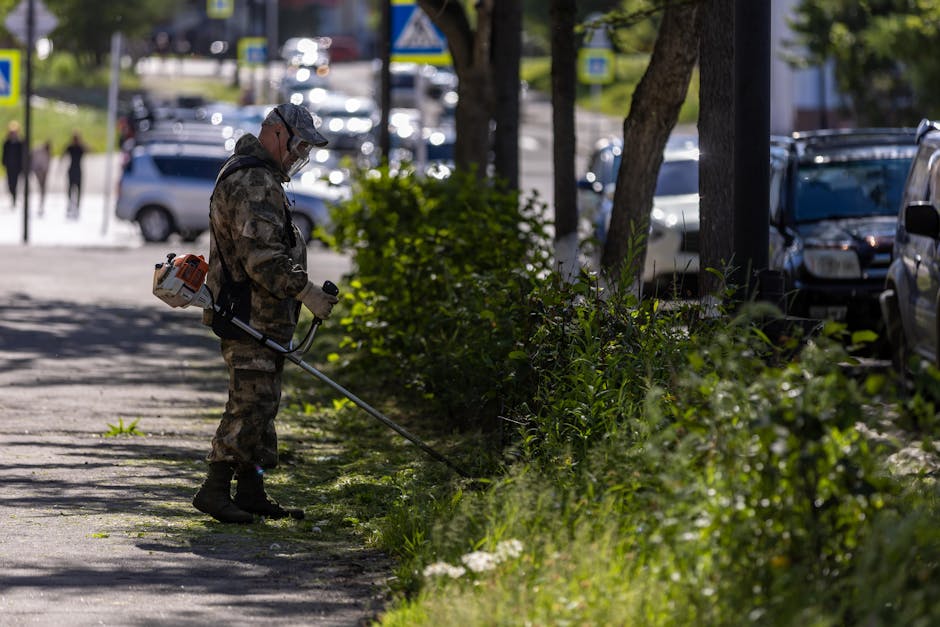
Anything that affects access or foot safety comes before decorative work. Clear paths, trim back encroaching growth, remove slippery debris, and check that gates or entrances open properly. If there is a recurring problem with the front pavement area, you may need a more regular schedule rather than a one-off clean-up.
3. Move into plant health and shaping
Once the space is safe and accessible, work through the planting. Deadhead where appropriate, prune soft growth, remove damaged stems, and reshape shrubs so they do not sprawl into the pavement. Light, regular pruning is usually better than one brutal trim that leaves everything looking shocked for weeks.
4. Finish with presentation
Edges, sweep-up, watering, and mulch all matter. A freshly edged border and a clean path can make a front garden look sharper without adding more plants. Sometimes the neatest result comes from removing a little rather than adding more. Simple, but true.
If you want a more complete seasonal structure, it is worth looking at seasonal garden care so each quarter has a clear job list instead of random catch-up work.
Key Benefits and Practical Advantages
A good maintenance checklist does more than make a street garden look decent. It saves time, reduces stress, and helps your work last longer between visits. That is the real win.
| Benefit | What it means in practice | Why it matters for IG6 gardens |
|---|---|---|
| Better kerb appeal | Cleaner edges, healthier planting, less clutter | Street-facing spaces shape first impressions immediately |
| Safer access | Clear paths, fewer trip hazards, less slippery debris | Useful where gardens meet pavements or shared entrances |
| Healthier plants | Timely pruning, watering, feeding, and pest checks | Exposure and compacted soil can stress plants in built-up areas |
| Less reactive work | Smaller jobs done regularly instead of one big overhaul | Helps avoid expensive catch-up visits |
| Better seasonal resilience | Plants handled properly before frost, drought, or heavy rain | Useful in London weather where conditions change fast |
There is also a quieter benefit: a well-kept front garden tends to encourage better habits. When the space looks tidy, people are more likely to keep it tidy. Small thing, maybe, but it adds up.
And if you are comparing service options, this is where a regular front-garden plan often beats occasional emergency work. It usually costs less in disruption, even if it means more frequent light touch visits.
Who This Is For and When It Makes Sense
This checklist is for anyone responsible for a street-visible garden in or around Hainault, especially within the IG6 area. That could be a homeowner who wants the front of the house to look sharp, a landlord keeping a rental property presentable, or a resident managing a shared verge or communal frontage.
It makes sense when:
- You want a practical schedule rather than ad hoc tidy-ups
- The front garden is visible from the road or pavement
- Plants grow quickly and need frequent control
- You have little time and need a simple routine
- There are access or safety concerns around paths and entrances
- You want consistent results through the year
It also helps if you are planning to sell, let, or simply improve the sense of order outside the property. In our experience, people often focus on interiors first, then suddenly realise the front garden is doing a lot of heavy lifting for the overall impression.
If the space is larger, more planted, or includes hedges, you may also want help from professional hedge cutting or shrub pruning services to keep the growth under control without overdoing it.
Step-by-Step Guidance
Here is a clear way to handle street garden maintenance without making it harder than it needs to be. You can adapt this to a weekly, fortnightly, or monthly rhythm depending on how fast your garden grows.
Step 1: Walk the boundary
Begin at the pavement edge and scan the whole frontage. Ask yourself: what stands out first? Is it the weeds, the overgrowth, the litter, or the tired-looking patches? That first impression tells you where to start.
Step 2: Remove loose debris
Collect fallen leaves, twigs, windblown rubbish, and dead plant matter. This is especially useful after wet or windy weather, when even a tidy garden can suddenly look messy by morning.
Step 3: Deal with weeds properly
Pull annual weeds before they seed. For deeper-rooted weeds, make sure you remove as much root as possible. If weeds keep returning in the same paving joints, the issue may be compacted material or a gap that needs filling.
Step 4: Prune and shape
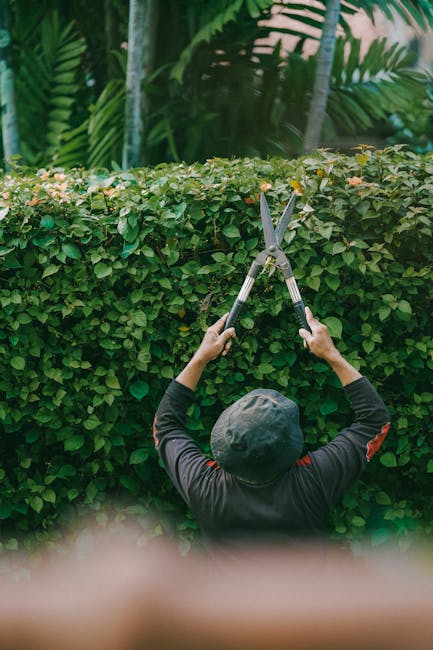
Trim back any growth affecting sightlines, access, or the pavement. Lightly shape shrubs and climbers so the frontage feels intentional rather than wild. Keep an eye on nesting birds if you are cutting back hedges or dense cover in the season when nesting may be active.
Step 5: Refresh soil and mulch
Top up mulch where needed to help with moisture retention and weed suppression. If the soil is dry, compacted, or pale, a mulch layer can make a surprising difference. It is one of those unglamorous jobs that quietly improves everything.
Step 6: Check watering and feeding needs
Containers, newly planted shrubs, and exposed beds often need more attention than people expect. In summer, a quick early-morning watering routine can keep plants from going soft and stressed by midday heat. Don't overwater, though. Soggy roots are not your friend.
Step 7: Finish with edges and surfaces
Straight edges, swept paving, and clean borders give the final 20 percent of the impression. They are often what people notice even if they cannot explain why the space feels better.
If the frontage is part of a wider upkeep plan, you may find it easier to coordinate with garden clearance services when a full reset is needed before regular maintenance starts again.
Expert Tips for Better Results
Little habits make a big difference. The best-maintained street gardens are rarely the ones with the fanciest planting. They are usually the ones looked after often enough to stop problems getting a foothold.
- Use a little-and-often approach. Fifteen minutes each week can be more effective than a big monthly clean-up.
- Prioritise the street-facing edge. That is where people see the most, so it should stay sharp.
- Keep pruning tools clean. It is a simple way to reduce the spread of plant disease.
- Water in the early morning where possible. Plants take it up better and you lose less to evaporation.
- Watch for drainage issues. If water pools repeatedly after rain, you may need to improve soil structure or surface levels.
- Match the planting to the site. In exposed or dry spots, choose tough plants that do not need constant fussing.
One small but useful trick: keep a separate bag or tub for the odd jobs that do not fit neatly into pruning or weeding. Broken ties, faded labels, dead bulbs, loose fixings. It saves time later, and you are less likely to miss them.
And yes, sometimes the real expert move is not doing more. It is stopping before you overdo it. Especially with shrubs. They forgive a lot, but not everything.
Common Mistakes to Avoid
Most maintenance problems in street gardens come from a few repeat errors. Nothing dramatic. Just small things done too late, or too heavily, or in the wrong order.
- Cutting everything back at once. Heavy-handed pruning can leave the frontage bare, uneven, or stressed.
- Ignoring the pavement edge. Even a healthy garden feels untidy if plants spill into the walking space.
- Letting weeds seed. Once they set seed, next month gets harder. Much harder.
- Using the wrong plant for the spot. Some plants look good in theory but struggle in exposed, roadside conditions.
- Forgetting seasonal timing. A job done in the wrong month can damage flowers, nesting habitat, or fresh growth.
- Leaving clippings behind. They rot, stick to paving, and make the whole area look less cared for.
Another common issue is inconsistency. You tidy it once, it looks lovely, then life happens. Fair enough. But front gardens reward routine more than heroics. If that sounds familiar, a scheduled visit plan may be more realistic than trying to keep on top of everything yourself.
Tools, Resources and Recommendations
You do not need a huge toolkit to maintain a street garden well. In fact, a modest set of reliable tools usually works better than a shed full of half-used gadgets.
Useful tools
- Hand trowel for weeding and replanting
- Bypass secateurs for clean pruning cuts
- Long-handled loppers for thicker stems
- Garden gloves with a decent grip
- Rake or stiff broom for clearing debris
- Watering can or hose with controlled flow
- Bucket or trug for collecting waste
- Spade or edging tool for border definition
Helpful resources
If you are deciding between regular upkeep and a deeper reset, it can help to review garden tidy-up options before booking anything major. For properties with difficult access, a service page like front garden maintenance may be more relevant than a general garden package.
For seasonal planning, keep a simple notebook or phone note with three columns: what was done, what needs attention next, and what keeps recurring. After a few months, the pattern becomes obvious. You start to see which plants are thirsty, which edges crumble, and which jobs only look minor until they are ignored for two weeks. That kind of note-making is dull, yes, but oddly powerful.
Law, Compliance, Standards, or Best Practice
For most domestic street gardens, the main concern is not red tape. It is good practice, neighbourly care, and avoiding preventable hazards. Still, a few points are worth keeping in mind.
If your garden borders a public pavement or highway, make sure plants, hedges, and structures do not obstruct safe passage. Local expectations can vary, and where trees or boundary features are involved, responsibility may be shared or influenced by property boundaries. If you are unsure, it is sensible to check with your local authority or seek professional advice rather than guessing.
Also, be careful with pruning around nesting birds or active wildlife. Best practice in the UK is to avoid unnecessary disturbance and to inspect thoughtfully before major cutting. When in doubt, pause and assess. Rushing is how problems start.
For larger jobs, waste disposal should be handled properly. Green waste, soil, and woody cuttings should not just be dumped at the kerb and forgotten. A tidy finish matters, and so does responsible disposal. If a job is larger than a bin day can handle, a clearance service may be the cleaner option.
From a standards point of view, the practical benchmark is simple: the garden should be safe, tidy, and not causing nuisance or obstruction. That is the standard most people understand, even if they never say it out loud.
Options, Methods, or Comparison Table
There is more than one way to manage a street garden in IG6. The right option depends on time, budget, planting style, and how much responsibility you want to keep in-house.
| Approach | Best for | Pros | Watch-outs |
|---|---|---|---|
| DIY weekly checklist | Small front gardens and confident homeowners | Low cost, flexible, hands-on control | Easy to fall behind if you miss a few weeks |
| Monthly professional visits | Busy households and tidy presentation goals | Consistent results, less stress, better finish | Less immediate control between visits |
| Seasonal deep clean plus light upkeep | Gardens that need a reset first | Good for neglected spaces, improves structure fast | Requires follow-up to keep results |
| Full maintenance plan | Landlords, managed properties, larger frontages | Most reliable for long-term presentation | Higher ongoing commitment |
If you are weighing up DIY versus professional help, ask a simple question: what is the real cost of the time you keep losing every month? Sometimes the answer points clearly toward regular support. Not always. But often enough.
Case Study or Real-World Example
Here is a typical Hainault scenario. A semi-detached house has a small front lawn, two shrubs, a narrow border, and a paved path to the door. In spring, it looks tidy enough. By early summer, the shrubs have pushed outward, weeds are showing between the pavers, and fallen petals are collecting near the step. Nothing terrible. Just enough to make the entrance feel a bit tired.
The fix was straightforward. The maintenance started with a clear-out of weeds and debris, followed by a careful prune of the shrubs to open the path and restore the shape. The border was edged, mulch was added, and the lawn was trimmed more regularly over the next month. That alone changed the whole feel of the frontage. It stopped looking like a garden in recovery and started looking like a cared-for part of the property again.
The important bit? The improvement did not come from one heroic day of labour. It came from a plan that could be repeated. A small visit every couple of weeks kept the space from slipping back. Simple, really. And much easier to maintain once the first reset was done.
If your own frontage feels like it is always one step behind, that is usually a sign the schedule needs adjusting, not that the garden is impossible.
Practical Checklist
Use this checklist as a working guide for street garden upkeep in IG6. It can be adapted to weekly, fortnightly, or monthly routines depending on growth and season.
- Walk the frontage and note urgent issues
- Clear debris from paths, steps, and borders
- Remove weeds before they seed
- Trim any growth blocking access or sightlines
- Deadhead flowers and remove damaged stems
- Check hedges, shrubs, and climbers for shape and spread
- Inspect for pests, disease, or yellowing leaves
- Water containers and new plantings as needed
- Edge borders for a cleaner finish
- Top up mulch where bare soil is exposed
- Collect and dispose of green waste properly
- Review what needs attention next time
Quick expert summary: if you keep the edge clean, the weeds down, and the growth in proportion, most street gardens in Hainault will look better than 90 percent of the competition. That sounds blunt, but there it is.
Conclusion
A strong street garden maintenance routine is really about steady attention, not constant effort. The IG6 street garden maintenance checklist for Hainault gardeners gives you a practical way to keep frontages tidy, safe, and presentable without overthinking every visit. It helps you spot problems early, work in the right order, and avoid the usual cycle of neglect followed by a big, tiring clean-up.
Whether you are managing a small private front garden or looking after a more visible shared entrance, the same principles apply: inspect regularly, cut carefully, clear properly, and keep the finish neat. That kind of consistency shows. It feels better to come home to, too.
If you would like help turning a one-off tidy-up into an easier long-term plan, speak to a local gardener who understands IG6 front gardens, seasonal growth, and the realities of keeping street-facing spaces under control. Get a free quote today and see how much you can save.
And if you are just starting out, do not try to fix everything in one go. Start with the edge, the weeds, and the access points. The rest follows.
Frequently Asked Questions
What does a street garden maintenance checklist include?
A good checklist usually covers weeding, pruning, sweeping paths, checking plant health, edging borders, watering where needed, and removing debris. For street-facing gardens, it should also include access and safety checks.
How often should Hainault gardeners maintain a front garden?
That depends on the planting and the season. Many front gardens benefit from weekly or fortnightly light attention in the growing months, then less frequent but still regular checks in autumn and winter.
Is the IG6 area more suited to DIY or professional maintenance?
Both can work. Small, simple gardens are often manageable with DIY care, while more exposed, heavily planted, or shared frontages are usually easier to keep in shape with professional help.
What is the most important task in street garden upkeep?
If you ask most experienced gardeners, it is probably staying ahead of weeds and overgrowth. Those two things make the biggest difference to how tidy and safe the frontage feels.
How do I keep a front garden looking tidy between visits?
Focus on the visible edge first. A quick sweep, a little weed removal, and a tidy path usually give the biggest payoff for the least effort.
Can I prune hedges and shrubs any time of year?
Not quite. Some light shaping is fine at many points in the year, but major pruning should be timed carefully to avoid harming the plant or disturbing wildlife. If in doubt, ask for season-specific advice.
What tools do I need for basic maintenance?
The essentials are usually gloves, secateurs, a hand trowel, a rake or broom, and something for waste collection. For tougher growth, loppers or a small hedge trimmer may help.
How do I deal with weeds between paving slabs?
Pull them out as early as possible, removing the roots where you can. If they keep coming back, the joints may need refilling or the surface may need a deeper clean.
When should I book a professional gardener instead of doing it myself?
If the space has become overgrown, if you do not have time to maintain it regularly, or if the frontage needs a reset before a sale or tenancy change, professional support is often the easier route.
Does a neat front garden really improve property presentation?
Yes, it usually does. People notice the front of a property first. A tidy, well-kept street garden creates a better first impression and makes the whole place feel more cared for.
What should I do with green waste after maintenance?
Collect it properly and dispose of it through your usual garden waste route or a responsible clearance service. Leaving cuttings lying around defeats the point of the tidy-up, slightly maddening really.
How do I know if my garden is becoming unsafe?
If paths are slippery, branches are blocking sightlines, plants are crowding walkways, or debris is building up repeatedly, those are warning signs. It is best to deal with them early rather than wait for a bigger problem.
For readers looking to keep a front garden under control all year, a steady plan is usually the safest and simplest answer. Small jobs, done often, tend to beat big jobs done late. Every time.