Grange Hill station hedge care guide for Hainault gardeners
If you garden in Hainault, you already know how quickly a hedge can go from neat boundary to slightly wild green wall. Add the realities of London weather, narrow side access, awkward front gardens, and the occasional blast of wind coming through the station area, and hedge care stops being a simple weekend task. This Grange Hill station hedge care guide for Hainault gardeners is here to make the whole thing feel manageable, whether you are keeping a small privet trim, reshaping an overgrown laurel, or trying to stay on top of a mixed hedge that seems to grow the moment you turn your back.
Done well, hedge care improves light, keeps your garden tidy, protects privacy, and helps plants stay healthy for longer. Done badly, it can leave gaps, stressed growth, and a lot more work next season. Let's face it, most people do not need a lecture; they need clear guidance, decent timing, and a few practical tips that actually fit real life. This guide covers exactly that, with local-minded advice for gardeners around Grange Hill station and the wider Hainault area.
For readers looking to improve the rest of the garden at the same time, you may also find it useful to explore related local services such as hedge trimming and pruning, garden clearance, and garden maintenance. Those can be especially helpful if your hedge work is part of a bigger reset rather than a quick tidy-up.
Table of Contents
- Why Grange Hill station hedge care guide for Hainault gardeners Matters
- How Grange Hill station hedge care guide for Hainault gardeners Works
- Key Benefits and Practical Advantages
- Who This Is For and When It Makes Sense
- Step-by-Step Guidance
- Expert Tips for Better Results
- Common Mistakes to Avoid
- Tools, Resources and Recommendations
- Law, Compliance, Standards, or Best Practice
- Options, Methods, or Comparison Table
- Case Study or Real-World Example
- Practical Checklist
- Conclusion
- Frequently Asked Questions
Why Grange Hill station hedge care guide for Hainault gardeners Matters
Hedges are not just green borders. In a place like Hainault, they do a lot of quiet heavy lifting: they soften street-facing plots, block views, reduce noise a little, and make small gardens feel more private. But hedges also sit at the point where gardening meets practicality. They can shade out borders, spread onto paths, interfere with visibility, or become difficult to manage if you leave them too long between trims.
That is why a local, realistic hedge care approach matters. Around Grange Hill station, many gardens are fairly compact and exposed to passing foot traffic, wind tunnels between homes, and the usual mix of clay and urban soils that can make roots behave in their own stubborn way. A hedge that might be fine in a larger rural plot can need more frequent attention here just to stay balanced.
There is also a simple timing issue. If your hedge starts pushing into the pavement line or block-light window space, the job becomes less about appearance and more about control. A small annual trim is always easier than a dramatic rescue. Always. Truth be told, most hedge problems start when people think, "I'll deal with it next month." Next month becomes next season, and then the hedge is three times the job.
Local gardeners often look at hedge care as part of broader garden upkeep, not a one-off task. That makes sense. A clean hedge can improve the whole garden's structure, just as a scruffy hedge can make the whole place feel unfinished. If you are reworking the rest of the space too, a service such as landscaping may help when the hedge sits alongside worn borders, tired lawns, or a front garden that needs a more coherent layout.
Expert summary: The best hedge care in Hainault is rarely about dramatic cutting. It is about steady, timely maintenance that suits the species, the season, and the size of the garden. Keep it light, keep it regular, and the hedge tends to reward you.
How Grange Hill station hedge care guide for Hainault gardeners Works
A good hedge care plan follows a fairly simple pattern: identify the hedge type, decide the goal, trim at the right time, and monitor regrowth. That sounds obvious, but it is where most people either overcut or undercut. Hedge care is part plant science, part judgement call, and part plain old patience.
The first thing to understand is whether your hedge is formal or informal. A formal hedge, such as box, privet, or yew, is usually kept tighter and more geometric. An informal hedge, often made from mixed shrubs, is allowed to look a bit softer. The cutting approach changes accordingly. Formal hedges want regular shaping. Informal hedges often need selective pruning so they keep their natural form.
Season matters too. In the UK, many hedges are best lightly trimmed during the growing season, while heavier reshaping is usually safer when plants are dormant or less active. That does not mean every hedge follows the same calendar. Laurel, beech, hawthorn, yew, and conifer hedges all respond differently. A good local gardener will look at the plant, not just the month.
There is also the practical side: access, height, and waste removal. If a hedge sits tight against a boundary wall or overhangs a path near a station route, the work may need more care and a better cleanup plan. If the hedge is particularly dense or has been neglected for a while, trimming can reveal old wood, gaps, or dead sections that were hidden before. That is not a failure; it is just useful information.
For gardens where the hedge is part of a more complete seasonal tidy-up, it can help to combine trimming with lawn mowing or gardening services so the whole space feels balanced instead of half-finished. A hedge that is perfect while the rest of the garden is tangled can look oddly out of place, to be fair.
Key Benefits and Practical Advantages
The obvious benefit is appearance. A well-kept hedge gives shape to a garden and makes a property feel cared for. But the less obvious benefits are often the ones that matter most in real life.
- Better light: Regular trimming can stop hedges from swallowing smaller plants or shading windows too heavily.
- Healthier growth: Light, timely pruning encourages denser growth in many hedge types and helps prevent straggly, leggy sections.
- Easier maintenance: Smaller, more frequent cuts are much less stressful than major recovery jobs.
- Improved safety: Keeping growth clear of paths, drives, and sightlines reduces awkward trips and visibility issues.
- Better boundary definition: Hedges help mark edges cleanly, which is useful in tightly packed streets and terrace-style plots.
- Higher kerb appeal: A tidy hedge can quietly improve the whole front garden without a full redesign.
There is another benefit people sometimes miss: confidence. Once a hedge is under control, the whole garden feels easier. You stop avoiding that side path. You stop wincing when looking out of the kitchen window. The garden starts to feel usable again.
For homeowners balancing hedge work with a larger tidy-up or removal job, it may also be sensible to look at tree care if nearby branches are affecting growth or shading the hedge unevenly. Trees and hedges often compete quietly for light, and that competition can be harder to spot than you think.
Who This Is For and When It Makes Sense
This guide is for Hainault gardeners who want practical hedge care without the guesswork. It suits people with small front gardens, long side boundaries, privacy hedges, mixed shrub lines, and overgrown hedges that need a careful return to shape.
You will likely benefit from this approach if:
- your hedge is starting to block light or paths
- you want a cleaner front garden presentation
- you have moved into a property with an established hedge that needs attention
- you are trying to reduce how much time the hedge consumes each season
- you need a hedge that supports privacy without becoming a maintenance headache
- you are dealing with a hedge that has been neglected for a year or two
It also makes sense if you are planning ahead rather than reacting. A lot of people wait until summer growth becomes too much, or until autumn leaves and old stems hide the shape entirely. A better approach is to think in terms of maintenance windows. What needs a light trim now? What can wait? What is already beyond a simple tidy?
If the hedge is so large or uneven that you are not sure where to start, a garden visit from a local professional may be more efficient than trying to do it piecemeal. Sometimes that saves money in the long run, because you avoid accidental damage and reduce the need for repeated corrections. Not always, but often enough to be worth a proper look.
Step-by-Step Guidance
Here is a practical way to handle hedge care in and around Grange Hill station and Hainault without making the job more complicated than it needs to be.
1. Identify the hedge type
Start by checking what you are actually trimming. Is it privet, laurel, beech, yew, conifer, hawthorn, or a mixed hedge? Different hedges respond differently to cutting. Some will sprout from old wood more readily than others. Some, frankly, will sulk if you are too harsh with them.
2. Inspect the whole hedge before cutting
Look for dead branches, nesting birds, disease, uneven growth, and gaps. You want the full picture before you start. Walk the hedge line slowly. In the morning light, problems are often easier to spot because shadows show where the density changes.
3. Set a clear target shape
Decide whether you are simply tidying the edges or reshaping the hedge. For most home gardens, the safest goal is a slightly tapered shape: wider at the base, a little narrower at the top. That helps lower leaves receive enough light and reduces bare legs later on.
4. Remove the obvious problem growth first
Take out broken, dead, or crossing stems before you start shaping. This is usually quicker than trying to cut everything at once. A few decisive snips now can make the whole job feel less chaotic.
5. Trim lightly and check your line often
Do not rush to finish. Step back every few minutes. Look from the pavement, from the garden side, and from a distance if possible. Hedges can look level up close and strangely wonky from ten feet away. A bit annoying, but very normal.
6. Deal with the top carefully
The top of a hedge is where overcutting happens most often. If you remove too much at once, especially from an established hedge, you may expose bare patches or weaken the structure. Trim gradually and keep checking the silhouette.
7. Clear away arisings as you go
Leaving clippings on the ground creates mess and can hide where you have already cut. Bag or collect waste as you work, especially if the hedge sits close to a path or driveway. If the volume is high, especially after a big reduction, a green waste removal option can save a lot of hassle.
8. Water and monitor after cutting if needed
Many hedges do not need special aftercare beyond normal attention, but if the weather turns dry after trimming, a deep watering can help younger or newly exposed growth settle. Keep an eye on the hedge over the next few weeks. Small corrections are easier than a full second round.
Expert Tips for Better Results
There are a few small habits that consistently improve hedge care. Nothing flashy. Just the kind of things experienced gardeners tend to do without talking about it much.
- Trim little and often: This is the biggest one. Light maintenance keeps shape better than occasional heavy cutting.
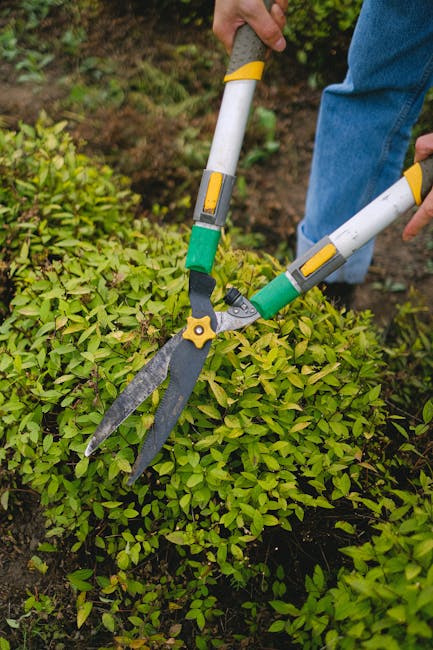
- Use the right blade for the job: Sharp hand shears can be better for precision, while powered trimmers suit longer runs. Dull tools cause ragged cuts, and ragged cuts are slower to heal.
- Do not cut when the hedge is stressed: Very hot weather, hard frost, or obvious drought stress can make recovery harder.
- Check both sides if you can: If the hedge divides properties, a neat cut on one side and an ignored back face can create friction later. Nobody wants that awkward chat over the fence.
- Watch for nesting birds: In the UK, this is a serious practical concern. If there is active nesting, avoid disturbing the hedge until it is safe to continue.
- Shape for the future, not just the present: Slight tapering and a steady height target usually give better long-term results than trying to flatten everything into one quick line.
A small but useful trick: if you are unsure how much to remove, cut less than you think, then step away for ten minutes. Come back and inspect it from different angles. You will often notice the answer pretty quickly. The hedge will tell you, in its own leafy way.
If the hedge is affecting the wider garden layout, combining the job with a broader driveway cleaning or exterior tidy-up can make the whole property feel more deliberate. That matters more than people admit.
Common Mistakes to Avoid
Most hedge problems are not caused by lack of effort. They are caused by the wrong kind of effort.
- Cutting too hard in one go: This can leave bare stems and a thin, patchy hedge.
- Ignoring the base: If the base becomes shaded and narrow, the hedge can look top-heavy and weak.
- Using blunt tools: This tears growth instead of cutting cleanly.
- Trimming at the wrong time: Some hedges tolerate almost anything, but many prefer a specific season or window.
- Forgetting the waste plan: A big hedge trim creates more debris than most people expect. Much more.
- Removing all new growth for the sake of a perfect line: That can reduce density and slow recovery.
Another common mistake is assuming all hedges should be treated the same. A formal privet hedge and a mixed native boundary hedge need different handling. One wants precision, the other may need selective pruning. Same garden, different rules.
If you are dealing with a hedge that has become genuinely unmanageable, it may be worth comparing a careful reduction with a full reset plan. Sometimes restoration is possible. Sometimes a phased approach is wiser. Knowing the difference can save time, money, and a fair bit of frustration.
Tools, Resources and Recommendations
You do not need a shed full of specialist kit to maintain a hedge properly, but the right tools do make the job cleaner and safer.
| Tool or resource | Best use | Why it helps |
|---|---|---|
| Hand shears | Small hedges, fine shaping, detailed edges | Good control and cleaner finish |
| Powered hedge trimmer | Longer hedges and routine maintenance | Saves time on larger runs |
| Loppers | Thicker stems and awkward woody growth | Useful for selective removal |
| Gloves and eye protection | All hedge work | Protects from thorns, debris, and snapped twigs |
| Tarpaulin or sacks | Collecting clippings | Keeps the work area tidy |
| Step ladder with care | Taller hedges | Helpful for reach, but stability matters more |
For bigger jobs, especially where access is awkward or the hedge sits close to fences and hard landscaping, professional support can be a sensible choice. If the work is tied into a broader tidy-up, you may want to explore hedge trimming and pruning alongside other garden care so everything is handled in one visit rather than in fragments.
One practical recommendation: do not let disposal become an afterthought. Hedge trimmings are bulky, springy, and oddly determined to spread themselves around the garden. If you have ever tried to drag a pile of laurel clippings through a narrow gate on a breezy afternoon, you will know exactly what I mean.
Law, Compliance, Standards, or Best Practice
For hedge care in a residential area, the main compliance points are usually common-sense best practice rather than complicated paperwork. That said, there are still a few things worth keeping in mind.
First, avoid disturbing nesting birds or active nests. In the UK, this is a widely recognised wildlife protection issue, and it is sensible to check hedges carefully before cutting during the main nesting period. If in doubt, pause and inspect before you trim.
Second, respect boundaries and visibility. If a hedge sits near a pavement, driveway, or access route, it should not create an obstruction or hazard. In practice, that means keeping growth from encroaching too far and making sure cuttings do not block footpaths while work is underway.
Third, if the hedge borders neighbouring property, good communication goes a long way. A quick conversation before major work can prevent misunderstandings about height, spread, or access. That is not a legal lecture, just sound neighbourly practice. And, to be fair, it makes the whole thing calmer.
Finally, if you are using ladders or powered cutting equipment, safe working practice matters. Stable footing, suitable gloves, eye protection, and sensible weather checks are all part of doing the job properly. If the hedge is high, awkward, or close to overhead obstacles, a trained garden team is often the safer option.
Options, Methods, or Comparison Table
Not every hedge needs the same approach. Here is a simple comparison to help you decide what kind of care fits the situation.
| Method | Best for | Pros | Watch-outs |
|---|---|---|---|
| Light seasonal trim | Healthy hedges in regular maintenance | Fast, tidy, low stress for the plant | Needs consistency |
| Selective pruning | Mixed or informal hedges | Preserves natural shape | Takes more judgement |
| Hard reduction | Very overgrown hedges | Regains control quicker | Can expose bare wood or weaken the hedge if done badly |
| Full hedge renovation | Neglected or damaged hedges | Allows a proper reset | Usually needs more time, patience, and planning |
For many Hainault gardens, the sweet spot is light, regular maintenance. It is less dramatic, yes, but it usually produces the best long-term result. If a hedge has already become unruly, a phased reduction is often safer than one big cut. You can always do a little more later. You cannot easily put growth back.
Case Study or Real-World Example
Take a typical front garden near Grange Hill station: a mixed hedge along the boundary, with a narrow path, a small front lawn, and a couple of established shrubs underneath. The hedge has been left alone for two seasons, and now it is leaning over the path, shading the smaller plants, and making the garden feel tighter than it actually is.
A sensible first move is not to attack the whole thing. The better approach is to inspect the hedge for dead sections, decide where the natural line should sit, and reduce the outer growth in stages. The top is corrected gently so the hedge stays slightly narrower above than below. The clippings are cleared as you go so the path stays safe. One side may need a little more attention because it gets more afternoon sun and has grown faster. Fair enough.
After the trim, the garden immediately feels more open. The front window gets a touch more light. The path feels less cramped. The hedge still provides privacy, but now it looks intentional instead of accidental. That is the real win. Not perfection. Just balance.
In our experience, this kind of job also tends to reveal what else the garden needs. Sometimes it is a border reset, sometimes lawn repair, sometimes a few broken paving edges near the hedge line. Once you see the whole picture, you can make better decisions. That is often where a broader local maintenance plan becomes useful.
If you are planning a bigger seasonal refresh, services such as planting can help fill gaps after hedge work, especially where older shrubs have left bare patches or you want a softer layered edge.
Practical Checklist
Use this quick checklist before and during hedge care. It keeps the job calm and prevents the usual "oh no, I forgot that" moment.
- Identify the hedge type before cutting
- Check for nesting birds or wildlife activity
- Decide whether the job is a trim, prune, or reduction
- Inspect the hedge from both sides where possible
- Use sharp, suitable tools
- Start by removing dead, broken, or crossing stems
- Keep the base slightly wider than the top
- Step back often and check your line
- Clear cuttings as you go
- Dispose of green waste properly
- Water if the hedge looks stressed and the weather is dry
- Plan the next maintenance window now, not later
Quick reminder: a hedge that is maintained lightly and regularly will almost always be easier to live with than one that gets left until it becomes a "big job."
Conclusion
A good hedge does a lot more than frame a garden. It supports privacy, structure, light balance, and the general feeling that a home is cared for. For Hainault gardeners, especially around Grange Hill station, the best hedge care strategy is usually the one that fits the real rhythm of local life: steady, practical, and not overly fussy.
Trim with the hedge's growth habit in mind. Keep an eye on timing. Leave enough room for light, wildlife, and future growth. And if the hedge has gone beyond a simple tidy-up, do not be too hard on yourself. It happens. Gardens get busy, seasons move fast, and sometimes the hedge wins for a while.
What matters is getting back on top of it with a sensible plan. Once you do, the whole garden often feels lighter, calmer, and easier to enjoy. That is worth the effort.
Get a free quote today and see how much you can save.
If you are ready to turn a tired hedge into something neat, balanced, and much easier to manage, the next step is simple: get the right help, at the right time, and let the garden breathe again.
Frequently Asked Questions
How often should I trim a hedge near Grange Hill station?
It depends on the hedge type, but many garden hedges benefit from light trimming once or twice during the growing season. Formal hedges often need more regular shaping than informal mixed hedges. The main aim is to stay ahead of overgrowth rather than waiting for a full overhaul.
What is the best time of year for hedge care in Hainault?
That depends on the species. Many hedges can be lightly maintained during the growing season, while heavier work is better timed for quieter growth periods. If you are unsure, check the hedge type first and avoid major cuts during hard frost, drought stress, or when birds may be nesting.
Can I cut a hedge back hard if it has become too large?
Sometimes, yes, but not always in one go. Some hedges tolerate reduction better than others. A careful phased approach is usually safer than one drastic cut, especially if the hedge has been neglected or has a lot of older woody growth.
What hedge types are most common in local London gardens?
Privet, laurel, yew, beech, hawthorn, and conifer hedges are all commonly seen in London gardens. Each one behaves differently, so the method should be adjusted to the plant rather than treated as a one-size-fits-all job.
Do I need professional help for hedge trimming?
You may not need it for a small, tidy hedge, but professional help makes sense when the hedge is tall, overgrown, awkwardly placed, or difficult to dispose of. It also helps when you want a cleaner finish without risking damage to the plant or the surrounding garden.
How can I stop my hedge from getting woody at the bottom?
Keep the base slightly wider than the top so lower growth receives enough light. Regular light trimming also helps. If a hedge has already gone bare at the bottom, recovery can take time and may need careful reshaping rather than a blunt cut.
Is hedge trimming allowed if birds are nesting?
If you suspect active nesting, avoid cutting until the nest is no longer in use. This is both a wildlife consideration and a sensible best-practice approach. If in doubt, inspect the hedge carefully and pause work if needed.
What should I do with hedge clippings?
Collect them as you go and either compost suitable material or arrange green waste disposal. Hedge clippings can quickly become bulky, especially after a larger trim, so it is worth planning the waste removal before starting the job.
Can hedge care improve privacy without making the garden darker?
Yes, if it is managed well. A hedge can be kept dense enough for privacy while still being shaped to allow more light into the lower garden and surrounding borders. That balance is one of the main reasons regular maintenance matters.
What if my hedge is shared with a neighbour?
It is usually best to communicate before any significant cut, especially if the hedge sits on a boundary or affects both sides of the property. A quick conversation about timing, height, and access can avoid tension later.
How do I know whether my hedge needs pruning or a full reduction?
If the hedge is mostly healthy and just has fresh overgrowth, pruning or trimming is usually enough. If it has become large, uneven, or difficult to manage, a reduction may be more appropriate. The difference matters, because one keeps shape while the other changes size and structure.
What is the biggest mistake people make with hedge care?
Leaving it too long and then cutting too much at once. It sounds simple, but it is the most common problem. Small, regular maintenance usually gives better results, looks better, and is far less stressful for the plant and the gardener.