Grange Hill station hedge trimming advice for Hainault gardeners
If you live near Grange Hill station and you garden in Hainault, hedge trimming can feel deceptively simple right up until the hedges start leaning into the pavement, blocking light, or looking patchy after a rushed cut. Grange Hill station hedge trimming advice for Hainault gardeners is really about timing, technique, safety, and keeping your garden neat without stressing the plants. Done well, it keeps a garden looking cared for and keeps the whole boundary healthier. Done badly, well... you get the sort of hedge that looks like it has had a bad haircut and is still sulking about it.
This guide walks through what matters, how the work is usually approached, and how to decide whether to do it yourself or bring in help. You will also find practical checks, common mistakes, and a grounded look at tools, compliance, and realistic expectations for local gardens in this part of London.
Table of Contents
- Why Grange Hill station hedge trimming advice for Hainault gardeners Matters
- How Grange Hill station hedge trimming advice for Hainault gardeners Works
- Key Benefits and Practical Advantages
- Who This Is For and When It Makes Sense
- Step-by-Step Guidance
- Expert Tips for Better Results
- Common Mistakes to Avoid
- Tools, Resources and Recommendations
- Law, Compliance, Standards, or Best Practice
- Options, Methods, or Comparison Table
- Case Study or Real-World Example
- Practical Checklist
- Conclusion
- Frequently Asked Questions
Why Grange Hill station hedge trimming advice for Hainault gardeners Matters
Hedges do a lot more than sit there looking decorative. In Hainault gardens, they often serve as screening, boundary definition, wind protection, and a bit of privacy from busy streets and neighbouring properties. Near a station area, where foot traffic, vehicle movement, and tighter plots are common, hedge care becomes part of how the whole garden functions. A hedge that is left too long can spill over paths, narrow access, or create a messy first impression before anyone even steps through the gate.
There is also the practical side. Trim too hard at the wrong time and you may expose bare wood, weaken new growth, or leave gaps that take ages to fill in. Trim too late and birds may already be nesting. Trim with the wrong tool and you can bruise the foliage or leave ragged edges that dry out in summer winds. Truth be told, hedge trimming is one of those jobs that rewards a calm, patient approach far more than an aggressive one.
For Hainault gardeners, this matters because local gardens often have a mix of mature hedges, compact front gardens, and boundary planting that needs to stay under control without looking overworked. The best advice is usually not about doing more. It is about doing the right amount, at the right time, with a clear plan.
Expert summary: if your hedge looks untidy, the solution is not always a drastic cut. Often, the smartest move is a light, regular trim that preserves shape, health, and privacy all at once.
How Grange Hill station hedge trimming advice for Hainault gardeners Works
Hedge trimming is essentially a shaping and maintenance job. The aim is to remove fresh growth, keep the hedge within bounds, and encourage a dense structure. Most hedges respond best to repeated light trimming rather than a single severe reduction. That is especially true for formal hedges such as privet, box, yew, or beech, where the shape is part of the overall garden design.
The basic process usually starts with an assessment. You look at the species, the size, the condition of the hedge, and whether it has any nesting birds, dead sections, or overhanging growth. Then you decide whether the hedge needs a tidy-up, a proper reduction, or a staged reshape over several visits. That distinction matters a lot. A neat trim is not the same thing as a full reduction, and mixing them up is where many people go wrong.
In practice, local hedge trimming often includes these steps:
- checking the hedge line from both sides if access allows
- removing dead, damaged, or crossing shoots first
- trimming the sides slightly narrower at the top so light reaches lower growth
- shaping the top to keep water running off rather than sitting on flat surfaces
- clearing away cuttings so the hedge can breathe and the garden looks finished
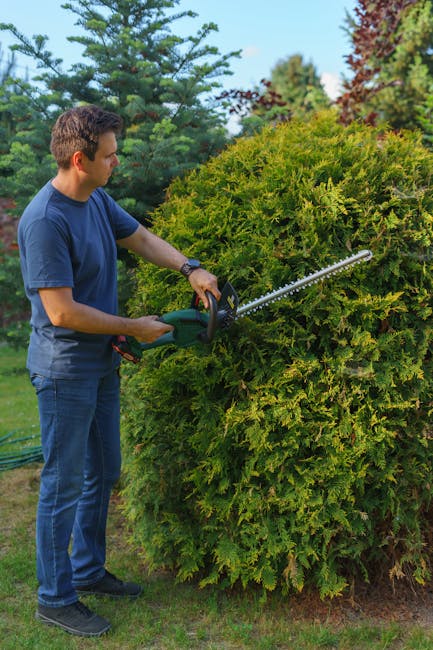
If you are trimming a hedge beside a path, wall, or driveway, the work also needs a bit of choreography. One side may need to be cut by hand to avoid damage, while the outer face can be trimmed more efficiently with powered tools. It sounds fussy, but the difference shows immediately in the final result.
Key Benefits and Practical Advantages
Good hedge trimming brings visible and less visible benefits. The obvious one is appearance. A well-kept hedge makes even a modest garden feel intentional. It frames flower beds, softens fences, and gives the whole space a tidy rhythm. In a place like Hainault, where many gardens have to work hard for every square metre, that neatness really matters.
Then there is plant health. Regular trimming encourages fresh growth and can make hedges denser over time. That density helps privacy, reduces gaps near the base, and gives the hedge a stronger structure against wind. It can also prevent the hedge from becoming too top-heavy, which is a common issue when the upper growth is left unchecked.
There are practical advantages too:
- Better light for lawns, borders, and patio spaces
- Improved access along paths, gates, and side returns
- Lower risk of complaints if branches encroach on shared boundaries
- Safer movement around the garden, especially in wet weather
- Easier long-term care because the hedge stays manageable
One thing people often notice only after the job is done: the whole garden feels quieter. Not literally, of course, but visually. The edges are clearer, the clutter disappears, and suddenly the space feels bigger. Small difference, big effect.
Who This Is For and When It Makes Sense
This advice suits a wide mix of Hainault gardeners. It is useful if you are maintaining a front hedge that meets the pavement, a boundary hedge that has started to spill into a neighbour's side, or an established hedge that needs routine care after spring growth. It also helps if you have just moved into a property near Grange Hill station and inherited a hedge that looks as though it has been left to its own devices for a while.
It makes sense to think carefully before trimming if:
- the hedge is mature and woody, so heavy cutting could leave bare patches
- the hedge is nesting-sensitive during bird season
- the hedge sits near power lines, walls, fences, or awkward slopes
- access is limited and you need to avoid damaging neighbouring property
- you want a formal, straight-edged finish rather than a casual cut
For DIY gardeners, hedge trimming can be perfectly manageable if the hedge is small, the tools are right, and the structure is straightforward. But once height, width, or access becomes awkward, a professional approach can save time and prevent an ugly result. Let's face it, standing on a wobbly ladder with a hedge trimmer is not exactly a relaxing Sunday hobby.
If your garden already needs broader attention, combining hedge work with garden maintenance can be a sensible way to keep everything in sync rather than tackling each task separately.
Step-by-Step Guidance
A careful hedge trim does not need to be complicated. It does, however, need a sequence. Skipping steps usually shows later, especially when the hedge grows back unevenly or the shape drifts out of line.
1. Inspect the hedge properly
Walk the length of the hedge and look at it from different angles. Notice the thickness, height, gaps, and any dead sections. Check both the street-facing side and the garden side if possible. This is the moment to decide whether you need a light tidy or a more substantial reshape.
2. Check for nesting birds or active wildlife
In the UK, hedge work needs care during the bird nesting season. If there is any sign of active nesting, leave that section alone until it is safe to continue. It is not worth the risk, and honestly, it is not worth the bad feeling either.
3. Prepare the area
Move pots, tools, ornaments, and anything breakable. Lay a sheet or tarp if you want to make clearing up easier. If the hedge borders a path or driveway, protect surfaces and make sure the area is safe for foot traffic.
4. Trim from the outside in
Start by removing obvious stray growth and shaping the outline. Work gradually. A common technique is to keep the hedge slightly narrower at the top so the base receives enough light. That small taper helps prevent bare bottoms later on.
5. Step back often
This is one of the most underrated parts of the job. Step back every few minutes and check the shape from a distance. When you are close to the hedge, it is easy to over-correct one side and not notice until it is too late. You really can miss a wobbly line until the last minute.
6. Tidy and dispose of clippings
Clear all cuttings from the hedge and surrounding beds. Leftover clippings can trap moisture, spread disease in some cases, and make the garden look half-finished. If the cut material is healthy, it may be suitable for composting or green waste collection depending on your setup.
7. Water and monitor afterwards if needed
For hedges that have been trimmed in dry weather, keep an eye on moisture levels. A light trim does not usually need much aftercare, but freshly cut hedges can benefit from a watchful eye, especially in hot spells or after a more extensive reshaping.
Expert Tips for Better Results
There are a few habits that make a big difference, and none of them are flashy. They are the quiet, practical things that separate a decent hedge from a really tidy one.
- Use sharp blades. Clean cuts heal better and look neater. Dull blades tear rather than slice.
- Trim on a dry day if possible. Wet foliage is harder to cut cleanly and clings to everything.
- Keep the top slightly narrower. This prevents shading at the bottom and helps the hedge keep its density.
- Work in sections. On long hedges, it is easy to lose shape if you try to do everything at once.
- Do not rush the first pass. A careful first cut reduces the need for corrections later.
A small but useful tip: if you are aiming for a very straight line, use a visual guide such as a taut line or an existing edge, but check it against natural growth too. Hedges are living things, not fence panels. You can persuade them, but you cannot bully them into perfect geometry forever.
And when the hedge is especially tall or broad, trimming early in the season and then following up later can be kinder than waiting until it is a full-scale jungle. That staggered approach often saves effort overall. It also helps if the hedge sits in a windy spot where dense growth catches a lot of movement.
Common Mistakes to Avoid
The biggest mistake is taking too much off in one go. A hedge that has been neglected for a while can tempt people into a dramatic rescue cut, but heavy cutting can expose old wood and leave the hedge looking thin for a long time. If the hedge needs major reshaping, it is often better to do it in stages.
Other common mistakes include:
- Ignoring species differences. Not every hedge should be cut in the same way. Fast-growing hedges and slow-growing formal hedges behave differently.
- Cutting during nesting season without checking first. Always inspect carefully before starting work.
- Letting the top widen. That creates a hedge that shades itself and thins out below.
- Using blunt or unsuitable tools. This makes the job harder and the finish rougher.
- Forgetting about access and safety. A hedge near a boundary or path needs more care than an isolated one in open space.
One more thing. People often trim only the visible front face and forget the top and sides. The hedge then looks neat from one angle and odd from another. It happens more than you would think.
Tools, Resources and Recommendations
The right tool depends on the size and type of hedge. There is no need to overcomplicate it, but there is a real difference between a quick tidy and a proper shaping job.
| Tool or Method | Best For | Pros | Limitations |
|---|---|---|---|
| Hand shears | Small, formal hedges and final detailing | Very precise, quiet, ideal for finishing edges | Slower on larger hedges, more tiring |
| Electric hedge trimmer | Medium-sized hedges and routine maintenance | Fast, even cut, good for long runs | Needs control, not ideal for thick woody stems |
| Petrol hedge trimmer | Larger or denser hedges | Powerful, handles tougher growth | Noisier, heavier, needs more maintenance |
| Lopper or pruning saw | Thicker stems or corrective work | Useful for selective cuts | Too slow for full hedge trimming |
| Professional service | Tall, awkward, overgrown, or boundary-heavy hedges | Safer, quicker, cleaner finish | Costs more than DIY |
If you are weighing up professional support, it can help to compare it with other garden jobs that often get bundled together. For example, hedges and boundaries sometimes go hand in hand with landscape gardening, or with a full tidy-up after a long season through garden clearance. If the hedge is part of a broader garden refresh, that wider view usually saves time in the end.
For homeowners wanting a rough sense of process and service scope before committing, the services overview and pricing and quotes pages can help frame what is typically included, without forcing you into an immediate decision.
Law, Compliance, Standards, or Best Practice
Hedge trimming is not usually a heavily regulated job in the way major building work is, but there are still important duties and good practices to keep in mind. First, be mindful of bird nesting season and avoid disturbing active nests. If there is clear nesting activity, stop and leave that part of the hedge alone. That is the safest and most responsible approach.
Second, consider boundary ownership and neighbour relations. If a hedge sits on or near a boundary, it is wise to agree access and timing where necessary. A quick conversation can prevent a lot of awkwardness. In local garden work, good communication is often worth more than perfect technique.
Third, think about safe working practices. Tall hedges, ladders, and powered tools can all bring risk if handled carelessly. Good practice usually means stable footing, protective eyewear, gloves, sensible weather conditions, and a clear work area. If a job looks unsafe, there is no prize for carrying on anyway.
Where contractors are used, basic professionalism matters: insurance, public safety awareness, and proper disposal of arisings are all signs of a careful operator. The details may not be glamorous, but they matter to the end result and to peace of mind.
If sustainability is important to you, it is also worth asking how clippings are handled. A tidy garden is good; a tidy garden with responsible waste handling is better. The recycling and sustainability page is useful if you want to understand how greener disposal choices fit into routine garden work.
Options, Methods, or Comparison Table
Choosing the right approach depends on the hedge's condition, height, and your confidence with the tools. Some jobs are obvious DIY material. Others are best left alone until someone with the right kit and experience can handle them safely.
| Approach | Best Used When | What You Gain | What To Watch For |
|---|---|---|---|
| Light DIY trim | Small to medium hedges with good access | Low cost, quick tidy, immediate control | Uneven lines, overcutting, fatigue |
| Staged reduction | Overgrown hedges that need reshaping | Safer recovery, less shock to the hedge | Takes patience, not instant perfection |
| Professional maintenance visit | Regular upkeep on established hedges | Consistent finish, less disruption | Needs scheduling and budget planning |
| Full boundary reset | Severe overgrowth or mixed garden issues | Clears access, restores structure | Can expose old growth and require follow-up care |
For many Hainault gardens, regular maintenance is the sweet spot. It keeps the hedge in shape without letting it get to crisis point. If your garden tends to collect multiple jobs at once, pairing hedge work with lawn mowing or tree lopping and removal can make the whole space feel balanced again.
Case Study or Real-World Example
A typical local scenario goes like this. A homeowner near Grange Hill station notices the front hedge has started to obscure the path and push toward the pavement. From the road it looks a bit tired, and from inside the garden the lower branches are thin because the top has been left too wide for too long. The owner wants a quick fix, but the hedge is mature enough that a hard cut would leave it looking sparse.
The sensible approach is a careful trim rather than a drastic reduction. The hedge is checked first for nesting activity and access issues. Then the outer growth is trimmed back gradually, with the top tapered so light can reach the lower stems. The work is split into two stages rather than forcing everything into one session. The result is neater, safer, and more durable. The hedge keeps its structure, the pathway opens up, and the garden feels lighter without looking stripped back.
That kind of job may sound ordinary, and in fairness it is. But ordinary is often the point. Most gardens do not need dramatic transformation. They need steady, competent attention that keeps everything functioning and looking cared for.
Practical Checklist
Before you trim, run through this checklist. It keeps the job grounded and helps you avoid the sorts of mistakes that are easy to make when you are in a hurry.
- Check the hedge type and confirm whether it prefers light or heavier trimming
- Look for signs of nesting birds or active wildlife
- Inspect for dead, diseased, or damaged branches
- Make sure tools are sharp, charged, and safe to use
- Clear the area of pots, toys, hoses, and loose obstacles
- Decide whether the job is a tidy-up, reshape, or staged reduction
- Keep the top slightly narrower than the base
- Step back regularly to check the line and symmetry
- Remove clippings once the cut is complete
- Water and monitor if the hedge has been cut in dry conditions
Quick reminder: if your hedge feels too big to manage safely, that is your answer. No need to wrestle it into submission.
Conclusion
Grange Hill station hedge trimming advice for Hainault gardeners comes down to a simple idea: keep the hedge healthy, keep it shaped, and keep the job proportionate to the condition of the plant. A good trim protects privacy, improves light, and stops small issues from becoming larger, more awkward ones later on. Whether you are handling a compact front hedge or a fuller boundary line, the smartest results usually come from steady, regular care rather than dramatic cuts.
If you plan to do it yourself, take your time, use the right tools, and be honest about the hedge's condition. If the job is tall, awkward, or badly overgrown, professional help can save hassle and avoid damage. Either way, a well-kept hedge makes a noticeable difference. You feel it when you walk past it, and you notice it every time you step into the garden on a bright morning. That tidy, settled feeling is hard to beat.
Get a free quote today and see how much you can save.
If you are comparing wider garden care options, it can also help to look at the garden maintenance checklist for Hainault gardeners or the article on choosing tall potted plants for privacy, especially if you want the hedge to work alongside planting rather than doing all the visual heavy lifting on its own.
Frequently Asked Questions
How often should I trim a hedge near Grange Hill station?
It depends on the hedge species and how formal you want the finish to look. Many hedges benefit from at least one proper trim a year, while faster-growing types may need more frequent light maintenance. Regular, lighter trims usually produce better results than leaving the hedge for a long stretch and then cutting it hard.
What is the best time of year for hedge trimming in Hainault?
There is no single perfect date for every hedge, because species and growing conditions differ. In general, many hedges are trimmed during the growing season, but you should avoid disturbing active nests and be cautious during very hot, dry weather. A local view of the garden always matters more than a rigid calendar rule.
Can I trim my hedge myself, or should I hire someone?
If the hedge is small, accessible, and not badly overgrown, DIY can be a sensible option. If it is tall, on a boundary, or awkward to reach safely, hiring a professional is usually the better call. Safety, access, and the type of finish you want should guide the decision.
Will trimming my hedge make it grow back thicker?
Regular, sensible trimming can encourage denser growth in many hedges because it helps maintain a compact shape. But heavy cutting into old wood can do the opposite and leave gaps. The goal is healthy, controlled regrowth rather than simply hacking away and hoping for the best.
How do I know if my hedge is too overgrown for a normal trim?
If the hedge has gone well beyond its intended height or width, has lost its shape, or has bare inner sections, it may need a staged reduction rather than a routine trim. A hedge that looks fine from one angle but overwhelms the space usually needs a more considered approach.
Do I need permission to trim a hedge by the pavement?
Usually you do not need permission for routine trimming on your own hedge, but you should be careful not to create a hazard or overstep boundary responsibilities. If the hedge affects visibility, access, or shared space, it is wise to check the situation carefully and keep any work tidy and safe.
What tools are best for small garden hedges?
For smaller hedges, hand shears can give excellent control, while electric trimmers are useful for routine shaping. The best choice depends on how neat you want the finish to be and how much growth there is to remove. Sharp, well-maintained tools matter more than fancy ones, to be fair.
Can hedge trimmings be recycled or composted?
Yes, often they can. Healthy clippings may be composted in small amounts or disposed of through green waste collection where available. Thick woody material may need to be chipped, bundled, or removed separately. It is worth separating soft cuttings from tougher branches if you want cleaner disposal.
What should I do if my hedge has patchy bare areas?
First, avoid aggressive cutting that could make the patches worse. Bare areas often need light shaping, improved light penetration, and sometimes patience. If the hedge is old or stressed, it may need staged recovery rather than an immediate makeover. Sometimes the kindest thing is to do less, not more.
How much does professional hedge trimming usually cost?
Costs vary depending on hedge height, length, condition, access, and whether clippings need removal. A simple tidy-up is generally less involved than a major reduction or a job that requires extra equipment. If you want a realistic figure, the best approach is to request a tailored quote based on the actual hedge rather than guessing from square footage alone.
Is hedge trimming different from hedge cutting?
People often use the terms interchangeably, but trimming usually suggests routine shaping and tidying, while cutting can imply a more substantial reduction. In practice, the distinction matters because the approach to each job can be very different. A trim aims to maintain; a cut may be part of a bigger correction.
What if my hedge is close to fencing, walls, or a neighbour's garden?
Work more slowly and protect surrounding surfaces. Shared boundaries need a careful eye because overcutting can cause complaints or visible damage. If access is tight, it may be better to work in stages. A neat boundary job is always easier to live with than one that leaves a trail of regret.